prestonparkman's pick · Updated October 2026
WEN DP1263V Benchtop Drill Press
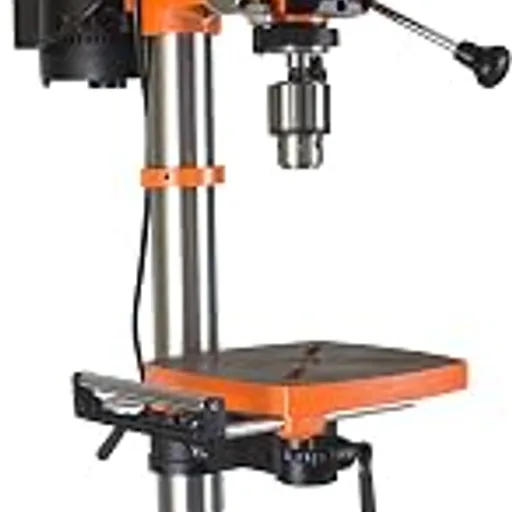
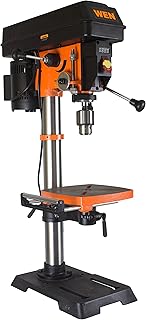
A benchtop drill press like this may suit a small shop, a garage corner, or anyone who wants more control than a handheld drill can give on repeated drilling tasks. The main appeal is not novelty. It is the combination of a fixed work surface, a variable speed motor, and cast iron construction, which points to a tool meant for steadier, more repeatable work than a portable drill can usually provide.
The 12-inch swing makes this a reasonable fit for hobby woodworking, light metalwork, and general home projects where the workpiece is not oversized. If your jobs are mostly shelf hardware, face frames, small jigs, or careful pilot holes, a benchtop drill press can be easier to live with than a floor-standing machine. The built-in laser and LED work light may also help with alignment and visibility, especially in a dim garage or basement shop where overhead lighting is not ideal. Those features are worth treating as convenience aids rather than the main reason to buy. The core question is still whether the press gives you the drilling accuracy, throat depth, and speed range your projects call for.
The most important thing to verify is the type of work you actually plan to do. A 12-inch benchtop model saves floor space, but it also has limits on height and capacity. Larger stock, deeper holes, or frequent production-style use may call for a different class of machine. It is also worth checking how much assembly is required, how much bench space the base will occupy, and whether the mounting setup matches your workbench. Those practical details often matter more than the feature list once the tool is in the shop.
Cast iron construction usually suggests stability and weight, which can be helpful when drilling with more pressure or working at slower speeds. At the same time, heavier construction can make placement and moving the unit more of a commitment. That tradeoff may be exactly what some buyers want, but it is still something to account for before purchase. The variable speed motor is another point to compare carefully. On a drill press, usable speed control matters because different materials and bit sizes call for different settings. Confirm that the range is broad enough for the materials you use most often.
The laser is worth a careful look as well. Some buyers like a visual guide for lining up holes, while others rely on a square, center punch, and drill bit positioning instead. If precise placement matters in your work, it can be helpful, but it should not replace checking the table, fence, and quill setup. The LED work light is easier to think about as a simple utility feature. It may improve visibility right where you need it, but you may still want supplemental shop lighting depending on your bench layout.
Because this is a bench tool, the real decision is less about one flashy feature and more about whether the whole package fits the way you work. A buyer who wants a compact press for occasional accurate drilling may find the format appealing. Someone who wants to drill larger pieces, work at higher volume, or avoid any setup and mounting limitations should compare the footprint and capacity against those needs first.
The evidence here is limited to the published listing facts, so the safest reading is also the most honest one: this appears to be a compact, feature-forward drill press for light to moderate shop use. If you want a benchtop machine with speed control, added visibility, and a heavier build than the lightest hobby models, it may be a sensible option. If your projects push size, depth, or throughput, it is worth checking the dimensions and capacity numbers closely before deciding.
Amazon product links on this guide are not currently affiliate links. Neither prestonparkman nor Buyer Field Guide earns an affiliate commission from them.
See current price